Newfoundland, a gem of the North Atlantic in Newfoundland and Labrador province, is steeped in a rich tapestry of culture and history. Its unique geographic position, nestled at the eastern edge of Canada, makes it a breathtaking destination waiting to be explored.
Why Visit Newfoundland?
Natural Beauty
- Rugged coastline: Embrace the dramatic cliffs and serene bays that narrate tales of an ancient past.
- Iceberg Alley: Marvel at the ethereal beauty of icebergs that drift gracefully by.
- Gros Morne National Park: Discover a natural wonderland, from towering fjords to serene valleys, that has earned UNESCO World Heritage status.
Cultural Heritage
Newfoundland’s history is intertwined with the vast oceans that surround it. The region’s livelihood, predominantly centred around fishing, has sculpted a unique marine culture that’s evident in its traditions, stories, and daily life.
Unique Wildlife
Be it the iconic humpback whale breaching the waters or the colourful puffins perched on rocky shores, Newfoundland’s wildlife is a spectacle in itself.
Planning Your Visit to Newfoundland
Best Time to Visit
The months from June to September offer the most favourable weather conditions, with the added bonus of numerous festivals and events celebrating the island’s culture.
Packing Essentials
Newfoundland’s weather can be unpredictable, so packing layers is crucial. Ensure you have:
🧥 Waterproof jackets and shoes
🌡️ Warm layers for cooler evenings
☀️ Sunscreen and a hat for sunnier days
Sailing to Newfoundland
Best Ports of Entry
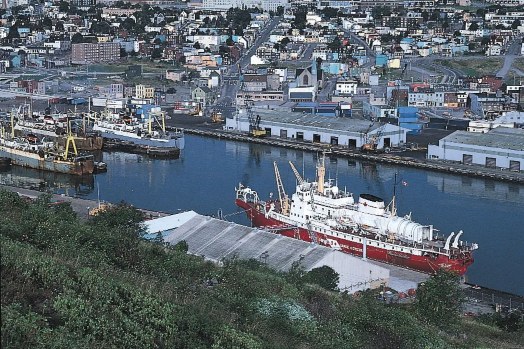
St. John’s: The vibrant capital city that’s a fusion of history and modernity.
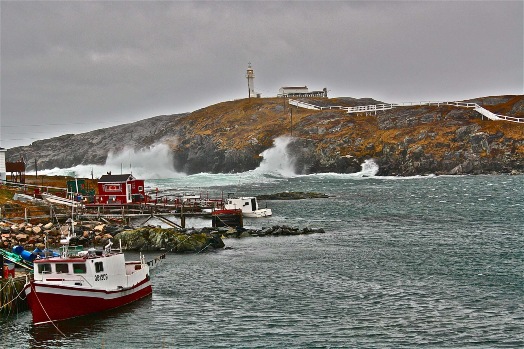
Port aux Basques: An enchanting coastal town and a common entry point for many seafarers.
Experience of Sailing the North Atlantic
Brace yourself for an unmatched sailing experience as you navigate the vast, open waters of the North Atlantic. The blend of serene calms and roaring waves promises an adventure like no other.
Essential Tips for Sailors
- Iceberg Alert: Always stay updated on iceberg locations, especially when sailing through Iceberg Alley.
- Know the Currents: Familiarize yourself with the local currents, which can be particularly strong near bays and capes.
- Local Assistance: Don’t hesitate to reach out to local sailors or marinas for advice on navigating Newfoundland’s waters.
Newfoundland Highway Map: Key Routes
Trans-Canada Highway (Route 1)
Spanning from the western ferry port of Port aux Basques to the eastern shores of St. John’s, the Trans-Canada Highway is Newfoundland’s main arterial road. Serving as a lifeline, it connects major towns, cities, and numerous attractions along its path.
Scenic Drives
Viking Trail: Delve into Newfoundland’s Norse history as you drive from Deer Lake to the northern tip at St. Anthony. Along the way, you’ll encounter the UNESCO World Heritage site of L’Anse aux Meadows, the first European settlement in the New World.
Irish Loop: Starting from St. John’s, this scenic drive takes you through picturesque coastal towns and historic sites, showcasing the island’s Irish heritage.
Safety Tips When Driving in Newfoundland
- Moose Alert: Newfoundland is home to a significant moose population. Drive cautiously, especially during dawn and dusk when they’re most active.
- Weather Watch: Sudden fog and snow can drastically reduce visibility. Keep an eye on weather forecasts and adjust your travel plans accordingly.
- Road Conditions: Some roads, especially in remote areas, can be gravel or unpaved. Ensure your vehicle is suitable for varying conditions.
Live Highway Cameras: Your On-the-Go Guide
Given Newfoundland’s unpredictable weather, live highway cameras offer travellers real-time visuals of road conditions, ensuring safer travels.
Accessing NL Highway Cameras
Most highway cameras are managed by the provincial government and can be accessed online. Simply search for “NL highway cameras” on your preferred search engine, and it should lead you to the official portal.
Key Spots for Cameras
Cameras are strategically placed at tricky intersections, notorious fog regions, and areas prone to ice accumulation. Ensure you check these feeds, especially when heading into less familiar terrain.
Newfoundland’s Weather: How to Stay Prepared
Characterized by a cold oceanic climate, Newfoundland experiences mild summers and chilly winters. Precipitation is frequent, and weather can change rapidly due to its location in the North Atlantic.
NL Weather Map
An invaluable tool, the NL weather map provides real-time weather conditions across the province. Accessible online, it aids travellers in making informed decisions about their journeys.
Weather Tips for Travelers
- Layer Up: Due to fluctuating temperatures, dressing in layers is advisable.
- Stay Informed: Regularly check the NL weather map, especially if planning long drives or sails.
- Marine Caution: When sailing, be wary of sudden fog banks and gusty winds that can arise.
Local Highlights: Gulf News Port aux Basques
Gulf News isn’t just another local newspaper; it is a testimony to the vibrant, ever-evolving story of Port aux Basques. Established years ago, the newspaper has been a reliable source of news for the residents, playing a pivotal role in informing, engaging, and entertaining the community.
Coverage
From the fisherman’s catch of the day to significant governmental decisions affecting the region, Gulf News covers it all. It provides a balance of:
📰 Local news: Covering every significant event in the community.
✨ Features: Highlighting stories of local heroes, cultural events, and traditions.
🏆 Sports: Celebrating the achievements of local teams and athletes.
💬 Opinion: Giving a platform for residents to voice their views and concerns.
For many in Port aux Basques, their morning starts with a cup of coffee and a fresh copy of Gulf News. The newspaper is a reflection of the community’s pulse, encapsulating its highs and lows, joys and sorrows. It serves as a platform for dialogue, a tool for change, and, most importantly, a record of the community’s journey through time.
For the latest updates or notable stories, it would be best to refer directly to the Gulf News website or its recent publications. Newfoundland, with its blend of rugged landscapes, rich history, and vibrant culture, offers an unparalleled experience. But, like any adventure, being informed and prepared ensures you can fully immerse in what this magnificent island has to offer. Embrace Newfoundland’s charm, and carry home memories that will warm your heart for years to come.
Famous tourist attractions you can find in Newfoundland and Labrador

Newfoundland and Labrador is the eastern province of Canada. It was the 12th province which is confederated to Canada. The Newfoundland is the mainland area on which most of the population resides. It has inland water reserves as well as huge coastal lines which will allow the tourists to find spots for fun and adventure. […]
UBC Grads to End their Historic Hitchhiking Journey on a Budget of $150 in Newfoundland

Two young graduates from the University of B.C have come up with a special way of feasting Canada’s 150 years of Confederation. They plan to explore the country by hitchhiking on a budget of $150 each and will visit Newfoundland as a part of their journey.
Prime Minister Trudeau will Render Apology to Student Survivors of Newfoundland Residential Schools

Some form of relief is going to come to the survivors of Newfoundland residential schools later this year. Prime Minister Justin Trudeau is set to apologize to the former students of Newfoundland and Labrador residential schools sometime in September. He will be traveling to Labrador for the apology though the exact dates are yet to […]